Insurance branding: Strategies, examples and best practices

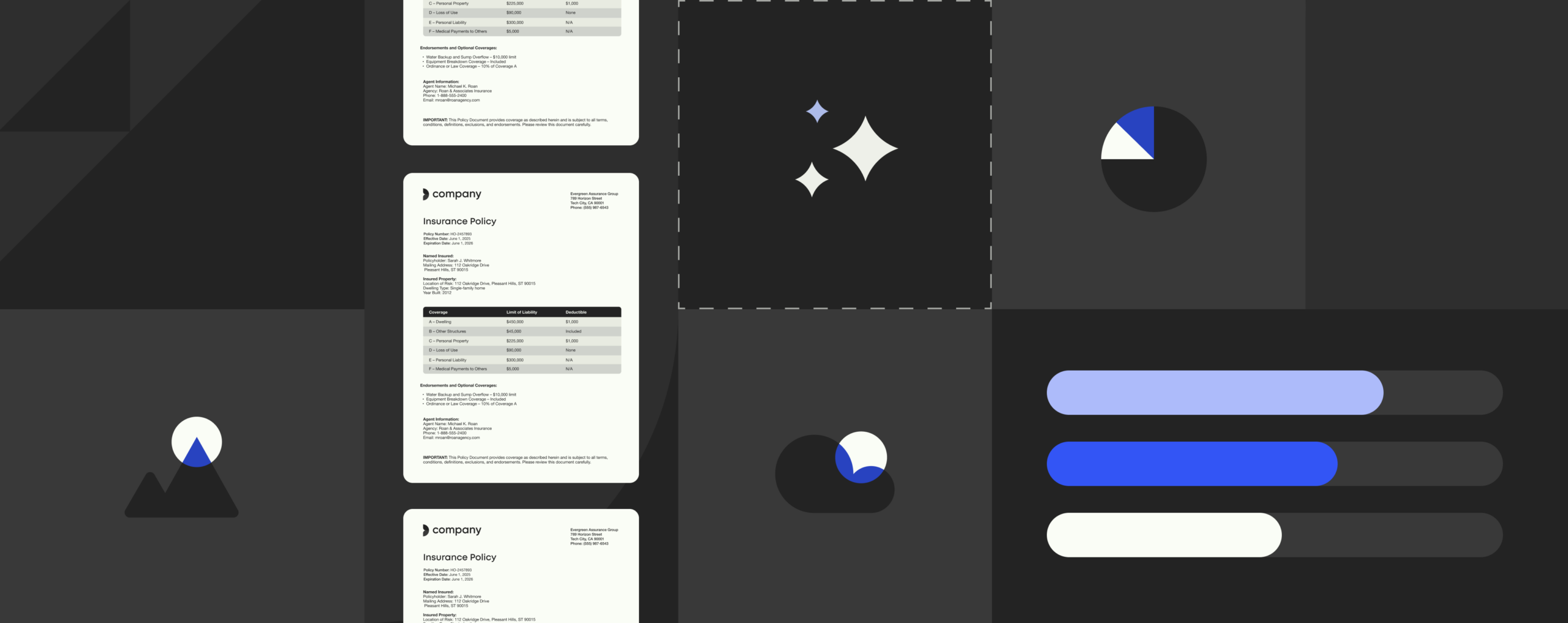
How modern insurers create trust through consistent brand experiences
Standing out as an insurance company can be a double-edged sword. Consumer skepticism on one side is balanced by ever-tightening regulations on the other.
Yet insurance, whether it’s homeowners, auto, life, or health, covers just about every area of our lives. That makes the market extremely competitive. And it’s not just traditional insurers fighting for attention anymore. According to research, more than 40% of respondents are comfortable buying insurance from non-traditional providers like IKEA, Amazon, or Tesla.
This is why insurance branding matters so much. Strong branding makes complex products easier to understand. It gives agents and brokers a clear voice. And it ensures that every policy document, claims letter, and sales presentation reflects the same values.
What is insurance branding?
Can’t-miss branding tips
Learn how to keep your brand consistent. Get ideas and examples to help your team create on-brand work with less effort.
Insurance branding is the strategy, identity, messaging and experience design that help insurers create trust and clarity for customers. It includes everything from positioning and tone of voice to the look and feel of documents and digital journeys.
The unique role of branding in the insurance industry
Insurance is built on intangible value. Customers cannot test the product. Instead, they rely on the strength of the brand to signal stability, financial security, and the likelihood of a positive claims experience. A clear, reliable brand helps people judge whether the company behind the policy is one they can trust with major life decisions.
How branding influences customer decisions and retention
Most people only interact with their insurer a few times a year, often during stressful events. Simple explanations, consistent language, and predictable design reduce friction and uncertainty. This keeps customers engaged and improves retention in a market where switching costs are low, and product differences are often small.
The connection between brand and regulated documentation
For many customers, the most visible part of an insurance brand is not a website or campaign. It’s a policy document, onboarding guide, or claims letter. These materials set the tone for the relationship. Their accuracy and consistency directly influence trust and satisfaction.
Why insurance branding matters more than ever
Insurance products are complex by nature, so your branding plays a critical role in guiding people through quotes, claims, and renewals. A cohesive brand helps different digital moments feel like one continuous experience, which matters more than ever when people are comparing you to their experiences with Amazon or their banking app.
Meanwhile, new players have reshaped the industry with bold visuals, plain language, and customer-friendly self-service tools. Just look at companies like Oscar Health, which has used refreshingly simple branding to disrupt the market. Their tagline ‘Hi, We’re Oscar’ immediately communicates a friendly, approachable persona. Strong branding helps traditional insurers modernize and compete while still expressing their reliability.
At the same time, you’re managing sensitive data, legal requirements, and financial risk. Your branding reinforces your commitment to accuracy and transparency. Accurate documentation creates a stronger, more trustworthy customer experience—and in an industry where only 24% of consumers trust the insurance sector with their personal data, that trust is everything.
Read more: How If P&C Insurance improved document quality and brand control
Insurance branding strategy: Key components
A modern insurance branding strategy blends identity, messaging, and operational consistency across many regulated touchpoints. Your positioning must be simple, human, and distinct.
But the real differentiator is your tone of voice. Insurance customers want clarity, not complexity. A successful tone is warm, direct, and avoids jargon. It explains products plainly and shows empathy in stressful moments.
Then there’s the visual side: color, typography, and imagery shape first impressions. Many insurers now aim for clean layouts, modern fonts, and inclusive photography that reflect real customers.
Two insurance case studies: The shift from fear to purpose
Consumer electronics and fashion brands thrive on passionate, emotive branding. But insurance? It’s traditionally been about prudence and calculation—the ‘what if?’ scenarios designed to encourage sensible decisions.
We’re starting to see this old world challenged by a new wave of branding. Insurance brands are taking a different approach by swapping ‘what if?’ scenarios with a more positive brand purpose.
Vitality Health Insurance in the UK has ditched the industry’s go-to tactic of peddling the fear of getting sick by actively helping their policyholders stay healthy. Supporting a brand positioning about good health and wellbeing, Vitality sponsors a major 10km run in London, partners with athletes and sportspeople, and has invested in smart watches and biosensors to empower the individual to take control of their health through the tracking and improvement of their health with data. All of which makes bold use of their brand identity and colors.
Hiscox Business Insurance joins Vitality in this new wave of positive branding insurance firms approach. The business insurer has changed tact to celebrate their customers, not for their prudent policy purchases, but for their courage and conviction in starting their own small businesses and champions their bravery in taking that risk. Using the bold red, white and black colors of their logo, they have created distinctly Hiscox adverts that instill confidence, not fear.
insurance branding
Checklist: What effective insurance branding includes
- Clear positioning and value proposition
What sets you apart: service quality, stability, speed, personalization, or digital experience - Human, accessible messaging
Tone of voice that’s warm, direct, and jargon-free across all customer touchpoints - Modern visual identity
Colors, typography, and photography that work in digital-first environments - Thoughtful brand architecture
How multiple product lines (life, health, property) connect without creating confusion - Consistent experience across key moments
Brand presence in policy documents, renewal notices, claims communications, and customer support - Multi-product coherence
Clear structure that helps customers understand differences while supporting cross-selling opportunities
Brand governance: The insurance challenge
While most industries can iterate and experiment with their brand, insurers operate under unique constraints that make governance absolutely critical.
Every policy document, claims letter, and customer communication must include specific regulated language. Mandatory disclosures and product names follow strict rules. Even formatting requirements exist to ensure regulatory accuracy.
This creates a governance challenge that most other industries never face. Your guidelines and workflows need to be able to accommodate legal and regulatory requirements that change frequently. When something in your asset library is updated, every team across every region needs to know immediately and start using the correct version.
The challenge becomes even more complex as you scale. With distributed teams, multiple products, constant pricing changes, and shifting regulations across different markets, maintaining consistency requires more than a PDF style guide. You need a governance system that:
- Ensures every team works from approved, current templates
- Embeds brand and compliance rules directly into workflows
- Updates regulated language and disclosures automatically across all materials
- Prevents outdated or non-compliant content from ever reaching customers
- Maintains visual consistency while accommodating regional legal requirements
Additional content
Considering a rebrand for your organization?
Are you prepared to elevate your brand to new heights? Don’t miss a step in your new brand launch.

How Templafy solves insurance brand governance at scale
Templafy provides a platform specifically built to handle the unique demands of regulated industries like insurance. Every template, approved image, regulated disclosure, and product description lives in one centralized system accessible through the cloud. Teams across regions and business units always work from the same approved materials, eliminating version control issues and ensuring global consistency.
Brand and compliance rules embedded in workflows
Rather than expecting employees to remember brand guidelines or compliance requirements, Templafy enforces them automatically at the point of creation. When someone creates a policy document, claims letter, or sales presentation, the platform ensures they’re using the latest approved templates and language.
This means brand and legal teams maintain control without becoming bottlenecks. Employees get the freedom to create documents quickly, while guardrails prevent non-compliant or off-brand content from ever reaching customers.
Instant updates across all materials
When something in your asset library changes, like pricing information, legal disclaimers, product names, etc., Templafy propagates those changes automatically across your entire document ecosystem, removing the outdated assets.
For insurance companies managing frequent regulatory changes and product updates, this capability is transformational. It eliminates the gap between when updated content is released and when teams actually start using the correct version.
Make branding easy for your employees
Brands need to look beyond the big ad campaigns. The best way to do that is to ensure the correct branding is taking place within your own office walls. Your employees are your most effective brand ambassadors. They’re the people that communicate on a daily basis with your policyholders, executing your brand world. If they don’t have the knowledge and tools they need to implement it, your brand value and consistency are at risk.
Document automation tools, such as Templafy, safeguard against issues of brand integrity. By providing end-to-end solutions to ensure your new brand identity is rolled out and maintained as intended across all communications, your team is free to grow the business, increase productivity and sell your brand.
See how Templafy supports regulated industries
Reduce risk and improve consistency with automated updates across your entire document ecosystem.
FAQs
What is insurance branding?
Insurance branding is the strategy, identity, messaging and customer experience design that help an insurance company build trust and communicate clearly.
What is an insurance branding strategy?
A branding strategy includes positioning, messaging, tone of voice, visual identity, content guidelines, and the customer experience approach tailored to a trust-driven industry.
What are examples of insurance brand assets?
Logos, colors, fonts, templates, policy documents, claims forms, product materials, disclosures, agent presentations, and website components.
Why is branding important for insurance companies?
Branding makes complex products easier to understand, builds trust, differentiates similar offerings, and supports compliant communication.
How do insurance companies maintain brand consistency?
Through strict brand governance, approved templates, training, and software that manages brand and compliance updates.
What should branding guidelines for insurance companies include?
Visual identity rules, tone of voice guidance, regulated language, naming structures, required disclosures, and prohibited uses.

BLOG
How global companies keep digital brand management under control
January, 2026
21 min read
In this guide, you’ll find the tools and best practices that leading enterprises use to hit brand goals like consistency, flexibility, trust, and even speed, at scale—and to make ‘on‑brand’ the easiest way to work.
Read more

BLOG
The best brand asset management (BAM) tools and practices for enterprises
December, 2025
18 min read
In this guide, we’ll walk you through the best practices and tools for enterprise brand asset management, so you can find a solution that keeps your brand, data, and reputation safe.
Read more

BLOG
7 essential rebrand tools for consistency, compliance, and scalability
December, 2025
19 min read
If you’ve ever been involved in a rebrand or brand refresh, you already know it’s impossible without the right technology in place. Here, we break down every stage of the rebrand lifecycle—from early audits to global rollout to ongoing maintenance—and highlight the technology that keeps everything aligned.
Read more